Welcome to Developer Conference 2025
The Developer Conference 2025 is set to be the most influential event in the tech industry calendar, bringing together visionaries, software engineers, CTOs, digital architects, and startups under one roof. This year’s conference is more than just a gathering—it’s a launchpad for next-generation software solutions, networking, and transformative learning.
Why Developer Conference 2025 is Unmissable
- Cutting-edge Keynotes: Explore the latest trends in software development, digital transformation, and cloud computing from industry leaders.
- Hands-on Workshops: Enhance your skills in artificial intelligence, web development, and mobile app innovation through interactive sessions.
- Networking Opportunities: Connect with like-minded professionals from various sectors: fintech, healthtech, edtech, and beyond.
- Tech Demos: Experience live demonstrations of the newest developer tools, frameworks, and platforms.
Conference Layout and Design Highlights
The event venue is engineered for inspiration and productivity. Spacious breakout rooms host real-time coding sessions, while collaborative lounges encourage spontaneous tech talks. Design elements promote accessibility and comfort, including adjustable lighting, power stations, cozy seating, and digital signage everywhere.
Main Zones & Themes
- Innovation Hall: The expo center, where startups and tech giants showcase innovative products and solutions.
- Workshop Arena: Spaces equipped with high-speed internet, whiteboards, and smart displays for practical tutorials and code labs.
- Community Stage: Open-mic mini-sessions, where everyone from full-stack engineers to cloud architects can share ideas.
Images That Capture The Conference Spirit
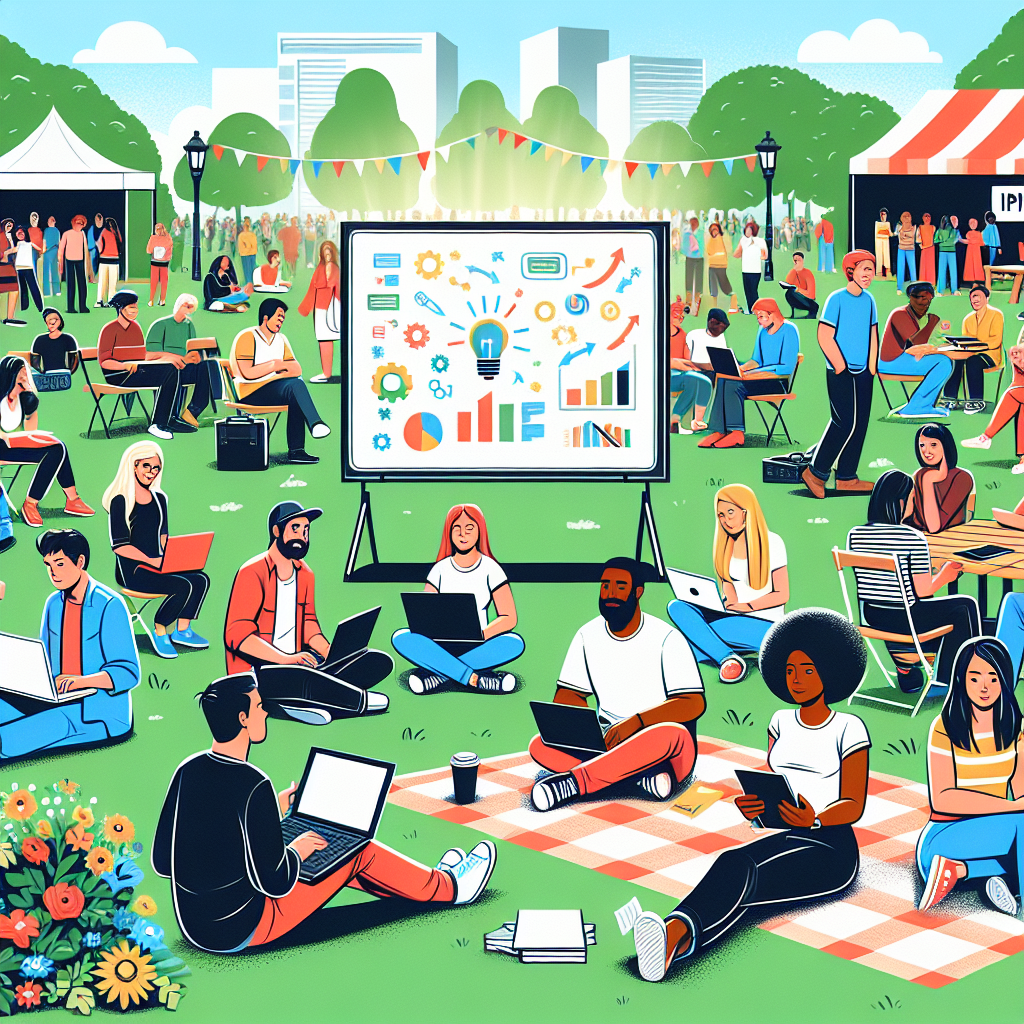
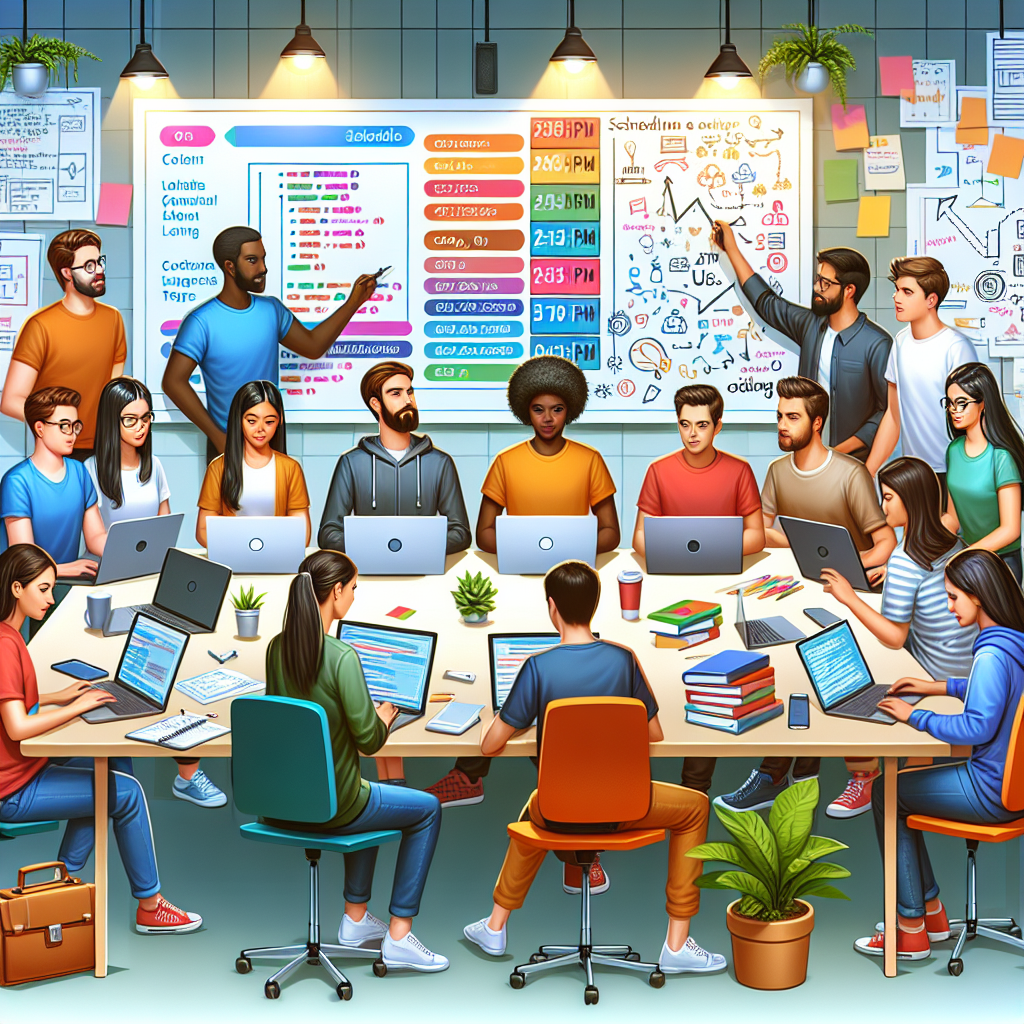
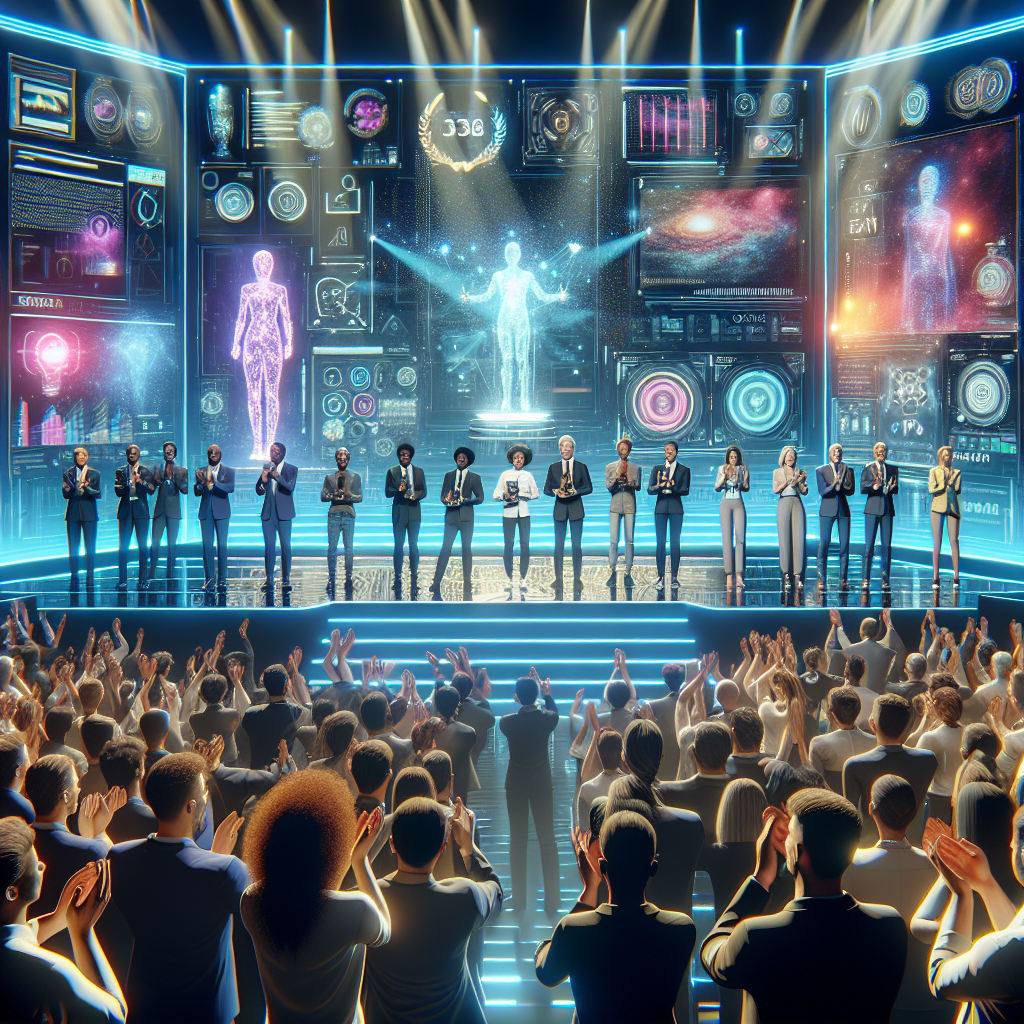
Below you’ll find visual representations of the Developer Conference 2025 atmosphere:
Who Should Attend?
Are you a backend developer seeking advancements in microservices, or a frontend engineer excited about the latest in JavaScript frameworks? Perhaps you lead a development team driving digital transformation, or you’re a startup founder disrupting the SaaS ecosystem. If you’re passionate about:
- Building scalable applications
- Software project management
- Cloud-native development
- Programming best practices
- AI integration in software engineering
- Cybersecurity for developers
…then this event is designed for you.
Latest Topics and LSI Keywords for Developer Conference 2025
The Developer Conference 2025 agenda features timely sessions on digital innovation, agile methodologies, devops solutions, blockchain development, machine learning models, API design, and developer productivity tools. Attendees can expect workshops in cloud platforms, continuous integration, open source software, mobile development, RESTful API strategies, and cross-platform design.
We’re incorporating LSI-keywords like “latest programming languages”, “enterprise software”, “developer community”, “coding bootcamps”, “mobile app trends”, “UI/UX design best practices”, “serverless computing”, and “innovative application architectures” (all of which are crucial for 2025’s evolving technology landscape).
Diverse Speaker Lineup
This conference hosts world-class speakers: seasoned software architects, product managers, and influential community leaders. Their sessions will provide deep dives into shifts in software development lifecycle, productivity hacks, new industry standards, open source projects, and disruptive business models shaping tomorrow’s technology.
Immersive Developer Conference 2025 Experience
From the dynamic welcome reception to technical deep dives, every detail is tailored for a memorable and productive experience. The agenda balances innovation talks, hands-on tutorials, and unconference sessions—crafted for all skill levels. Accessibility, sustainability, and diversity stand at the heart of the Developer Conference 2025.
“Developer Conference 2025 is a catalyst for digital transformation—where code meets creativity, and future-shaping collaborations are born.”
Planning Your Visit
Attendees will receive a comprehensive digital guide, including venue maps, session schedules, and details about each networking event. Prioritize your interests with conference planner tools, custom notifications, and interactive Q&A channels. Whether you’re seeking to hire developers or hoping to expand your knowledge base, this conference has the resources you need to succeed in the ever-changing tech world.
Join the Developer Community
There’s never been a more exciting time for developers, engineers, and tech leaders to unite under a single mission: to shape the future of software. Mark your calendar for the Developer Conference 2025 and become part of a thriving global network of professionals building innovative solutions for the world.